Alf and Gunnvor’s story in time
Alf Sture and Gunnvor Een Sture were a design couple who together shaped the Norwegian design world from the early 1940s until the end of the century. Their models have found a lasting place in Norwegian interiors, and the icons Ola- and Lillebror Windsor and Chair 1036 are still manufactured to this day by Tonning & Stryn.
The timeline below offers a glimpse into the most significant events in Alf and Gunnvor’s lives, which have made them a cornerstone of Norwegian design history.
1915
Alf’s earlier life
Alf Sture was born on 30 September 1915 in Sarpsborg, where he grew up with both parents and three brothers. He originally wanted to become a cabinet maker, but apprenticeships were hard to come by in the 1930s, and he therefore enrolled in the classics stream at Sarpsborg gymnasium. In his spare time he worked with his hands, and in 1930, at just 15 years old, he built his first chair.
Military service
Military service was compulsory for all men in the 1930s. Officer training school was the most appealing option for Sture, and he was admitted in 1935. There he was particularly drawn to subjects such as topography and map drawing. In his spare time he studied the well-proportioned historic buildings of Fredriksten Fortress, where he was stationed, by sketching them in his free time.
April 9th, 1940
On the morning of April 9th, Sture is mobilized and sent down to Skjeberg in Østfold to help prepare for a possible invasion via Skjeberg harbor. A few days after the invasion, Sture flees with his troop over to Sweden, where they are granted residence in Falun. In Falun, Sture gets work as a miner over the summer, and during a break from work, he and a friend buy bicycles and cycle to Stockholm. There he visits Svenskt Tenn and meets Carl Malmsten for the second time, where he again comes into contact with avant-garde Swedish design.
Hiorth & Østlyngen
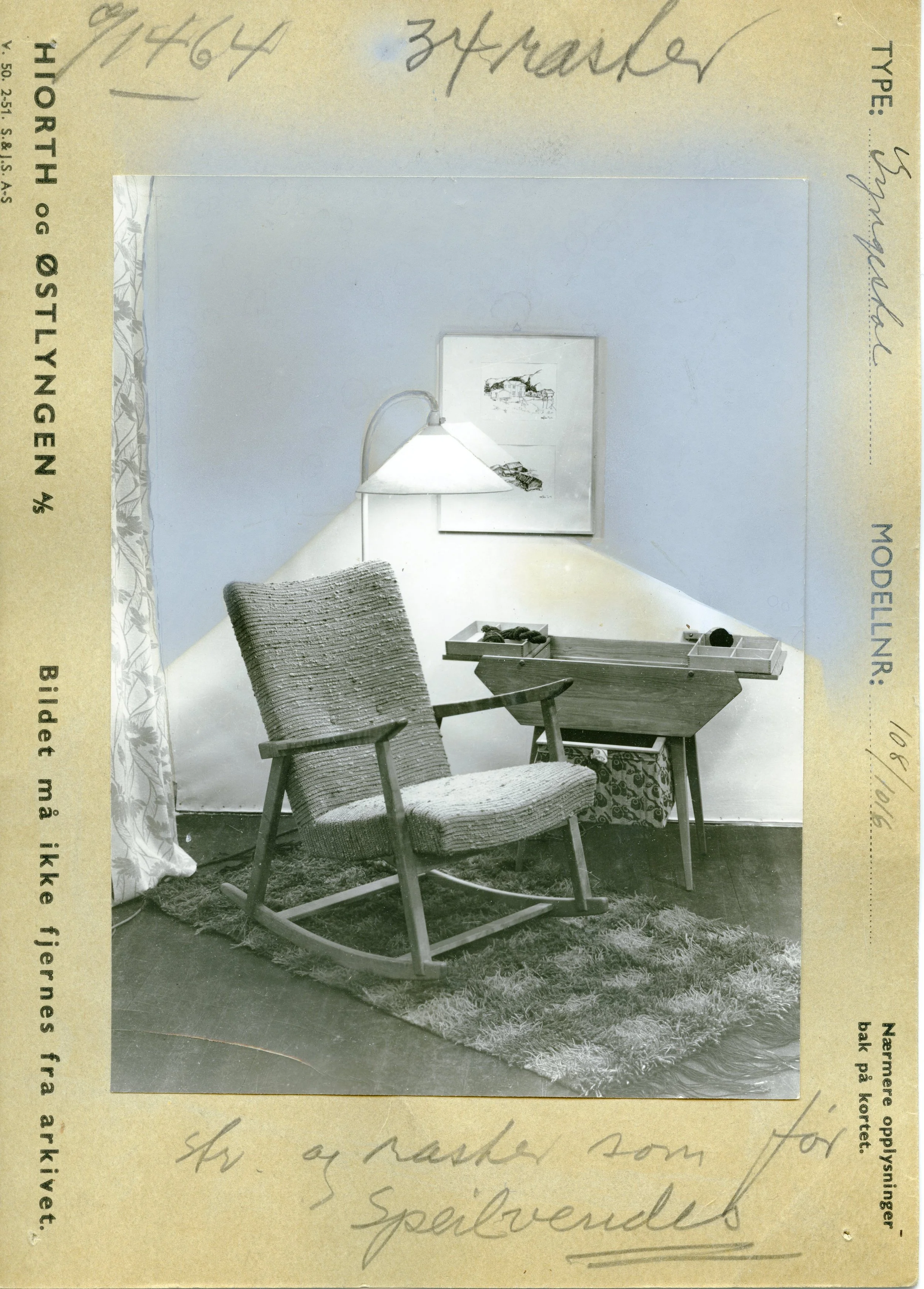
In September 1940, Alf Sture began working as a draughtsman and carpentry apprentice at H&Ø. The background was that the firm was looking for a draughtsman with an artistic background, and Sture was interested in gaining more craft experience — so the collaboration became a good professional exchange. Already in his first week, Sture designed his first model, the rocking chair 1016, which was positively reviewed in the journal Byggekunst as a "comfortable and sturdy rocking chair."
Around 1940, several other newly graduated interior architects also worked at Hiorth & Østlyngen, including Rolf Rastad, Adolf Relling, Liv Schjødt, and Tormod Alnæs, all of whom left their mark on the design office.
Education
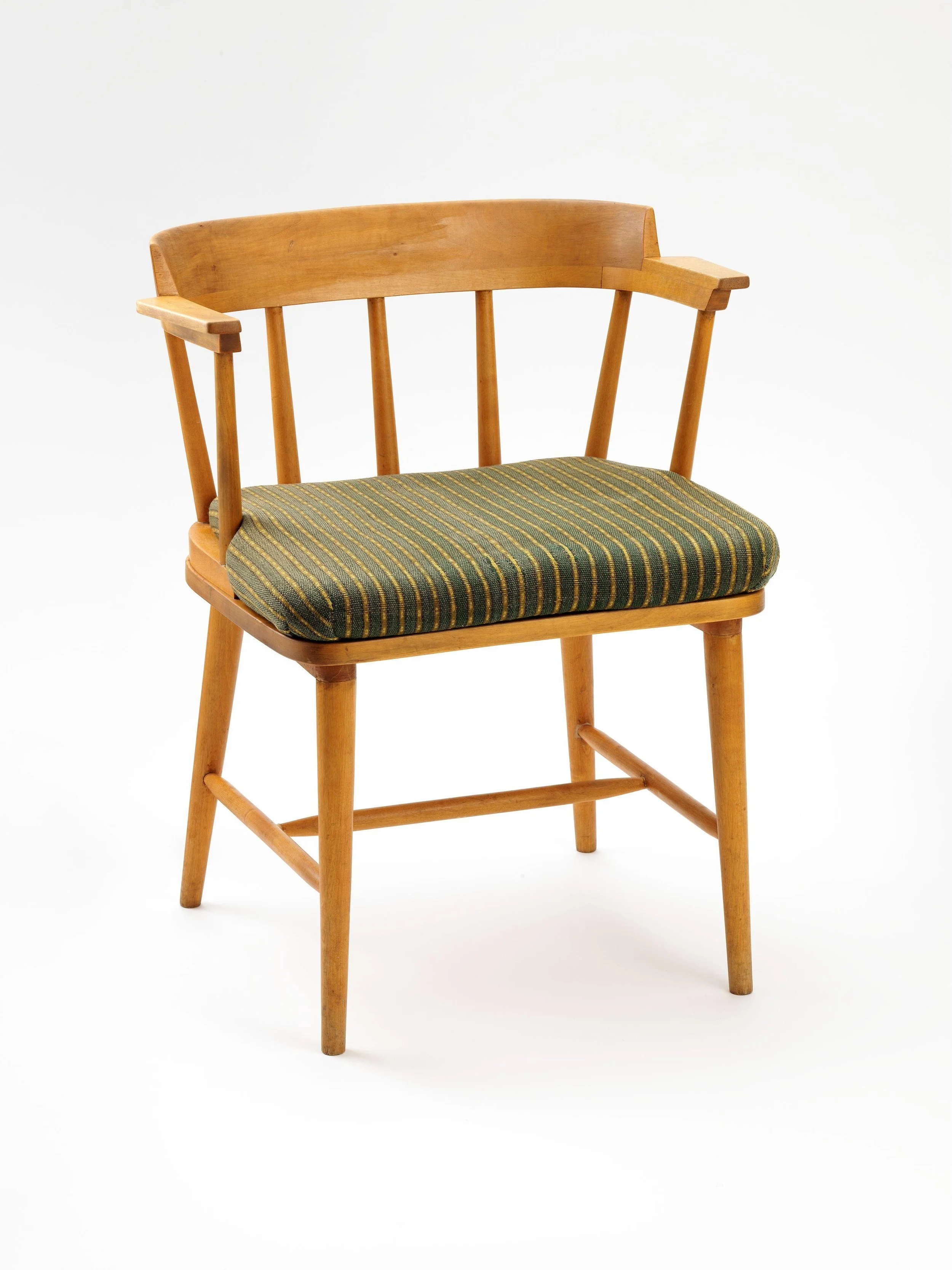
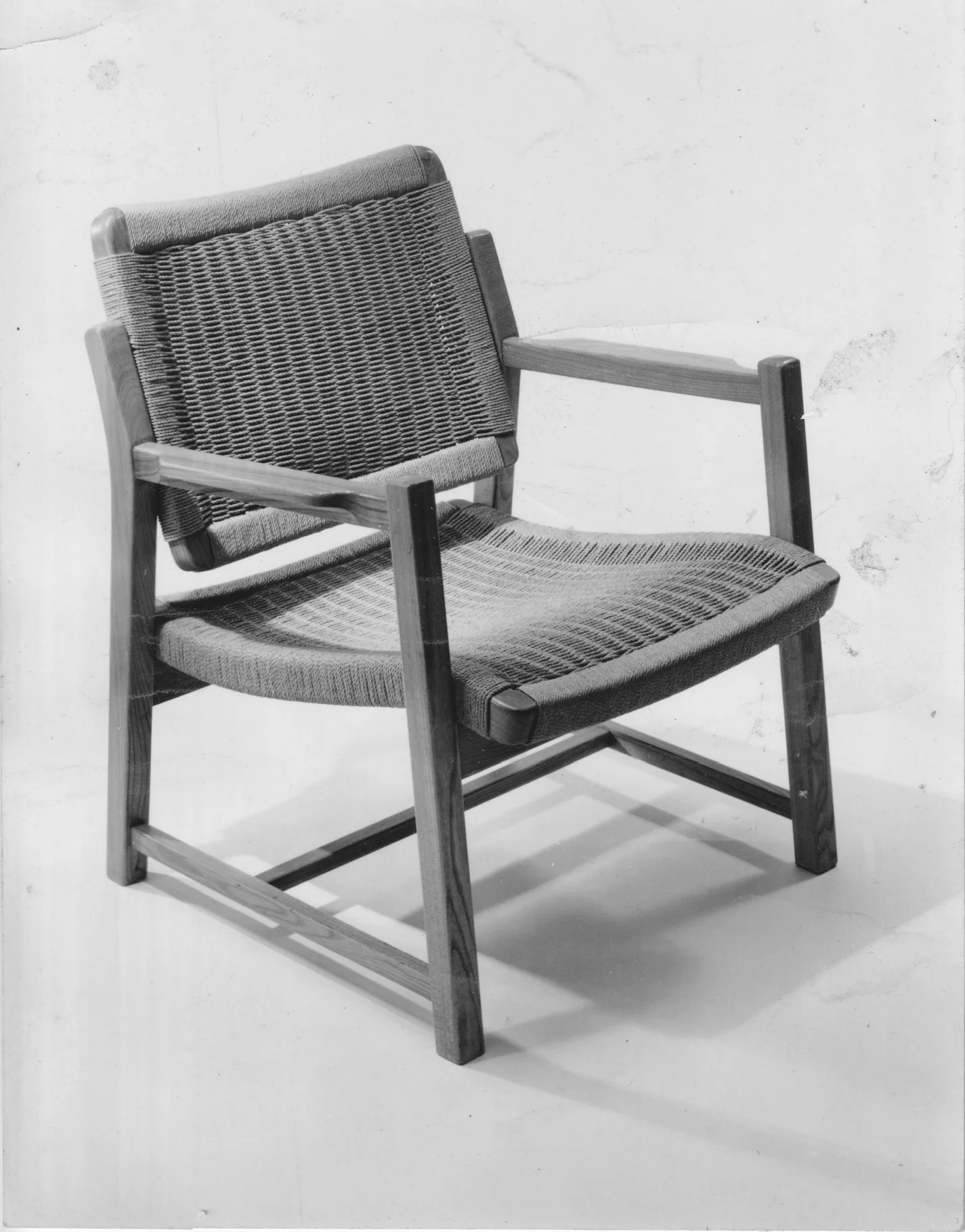
After secondary school, Gunnvor learned to draw more systematically through a correspondence drawing course, and was then admitted to the National College of Art and Design (Statens håndverks- og kunstindustriskole) in 1942. Gunnvor attended SHKS between 1942 and 1945. In the summers of 1944 and 1945, she stayed on Voss with relatives on her father's side, where she did carpentry practice. For her final exam, she submitted a dining chair of her own design and craftsmanship, in lacquered birch with an upholstered wool seat cover. This chair can be seen in the National Museum's collection today.
1923
1935
1937
1940
1940
1940
1941
1942
Gunnvor’s earlier life
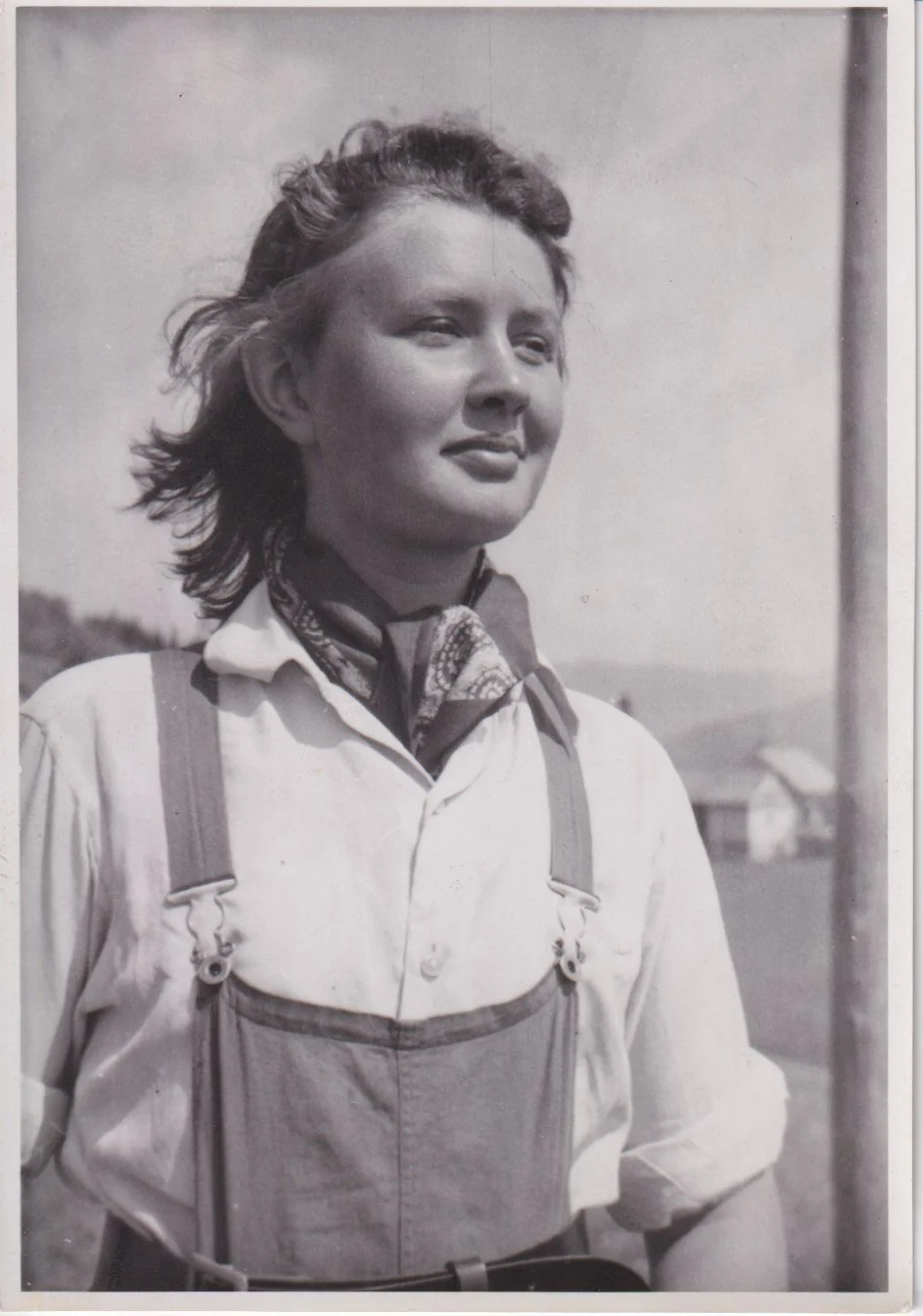
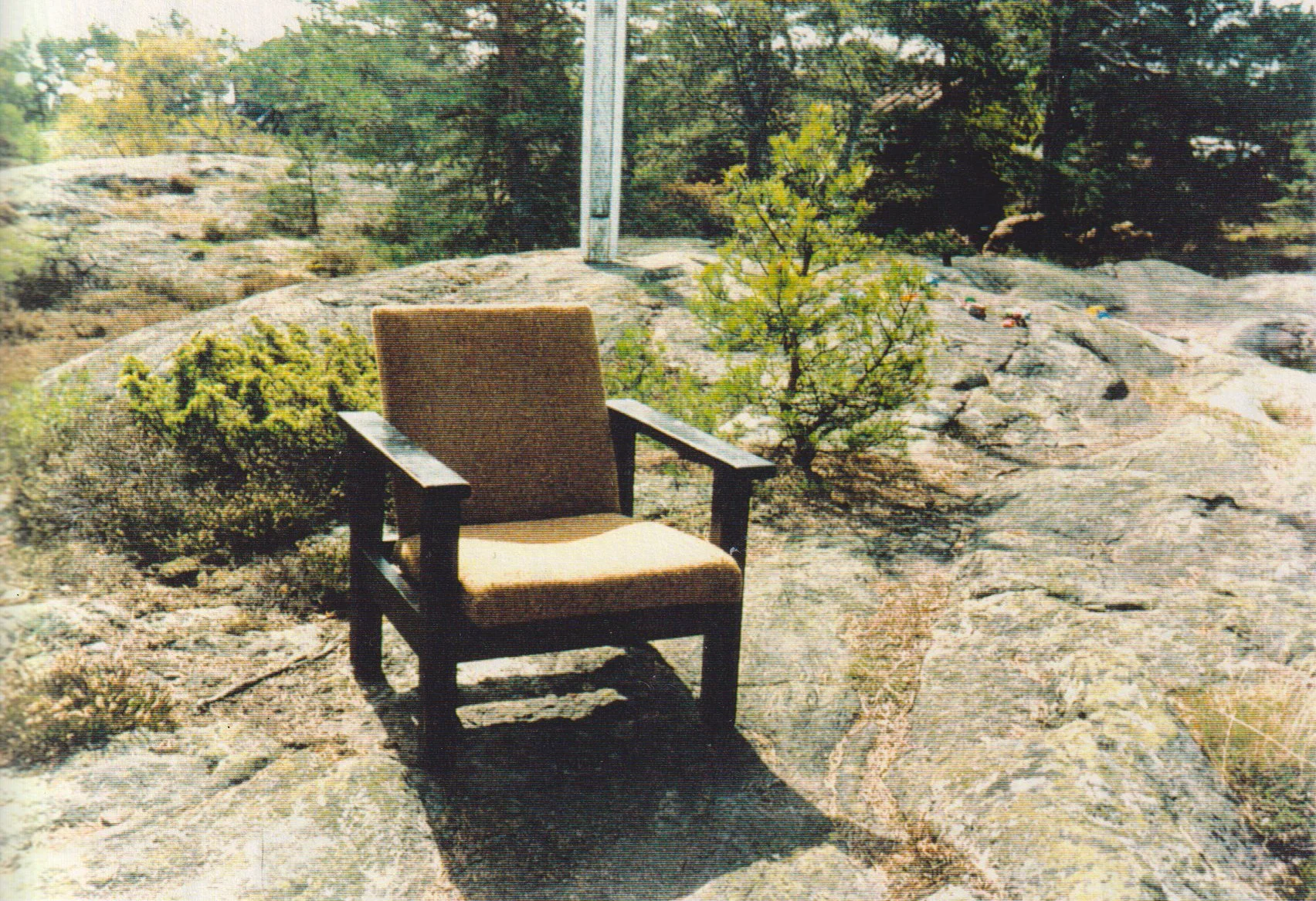
Gunnvor Een was born on 4 April 1923 in Oslo, where she grew up with her parents David and Ora Een and her sister Marna. From an early age she showed a keen interest in mathematics, logic and the natural sciences, subjects in which she excelled, but later developed a pull towards languages and went on to complete her upper secondary education in the English stream at Ris upper secondary school. Her many-sided talents opened up a wide range of possible futures, but it would turn out that she also had a flair for the artistic and the creative.
Statens håndverks- og kunstindustriskole
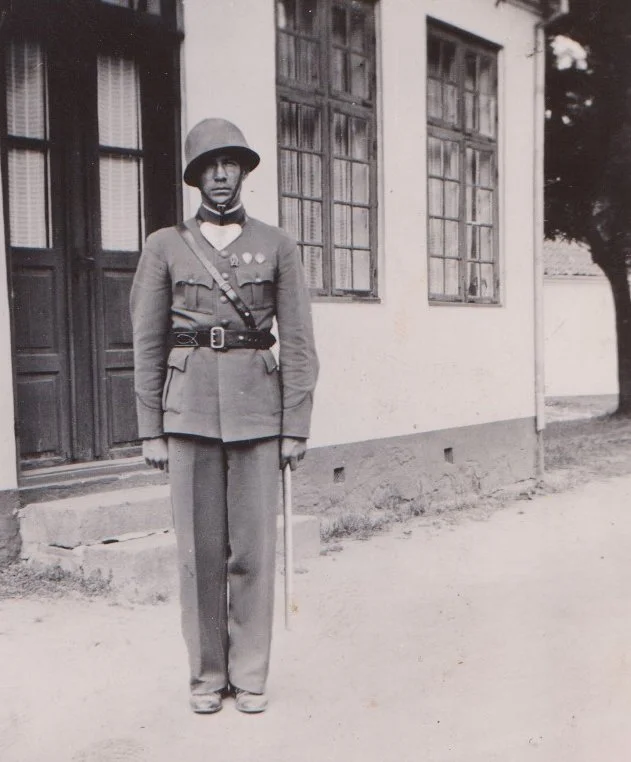
Alf Sture studied at SHKS (the Oslo National School of Applied Arts and Crafts) from 1937 to 1940, where he took a particular interest in fine art, drawing, form, and woodwork. In the art classes, his teachers included Carl von Hanno and Per Krogh, while in the applied subjects such as furniture design, form, and woodwork, he was taught by, among others, Arne E. Holm, Theodor Lie-Jørgensen, and Arne Korsmo.
Return to Norway
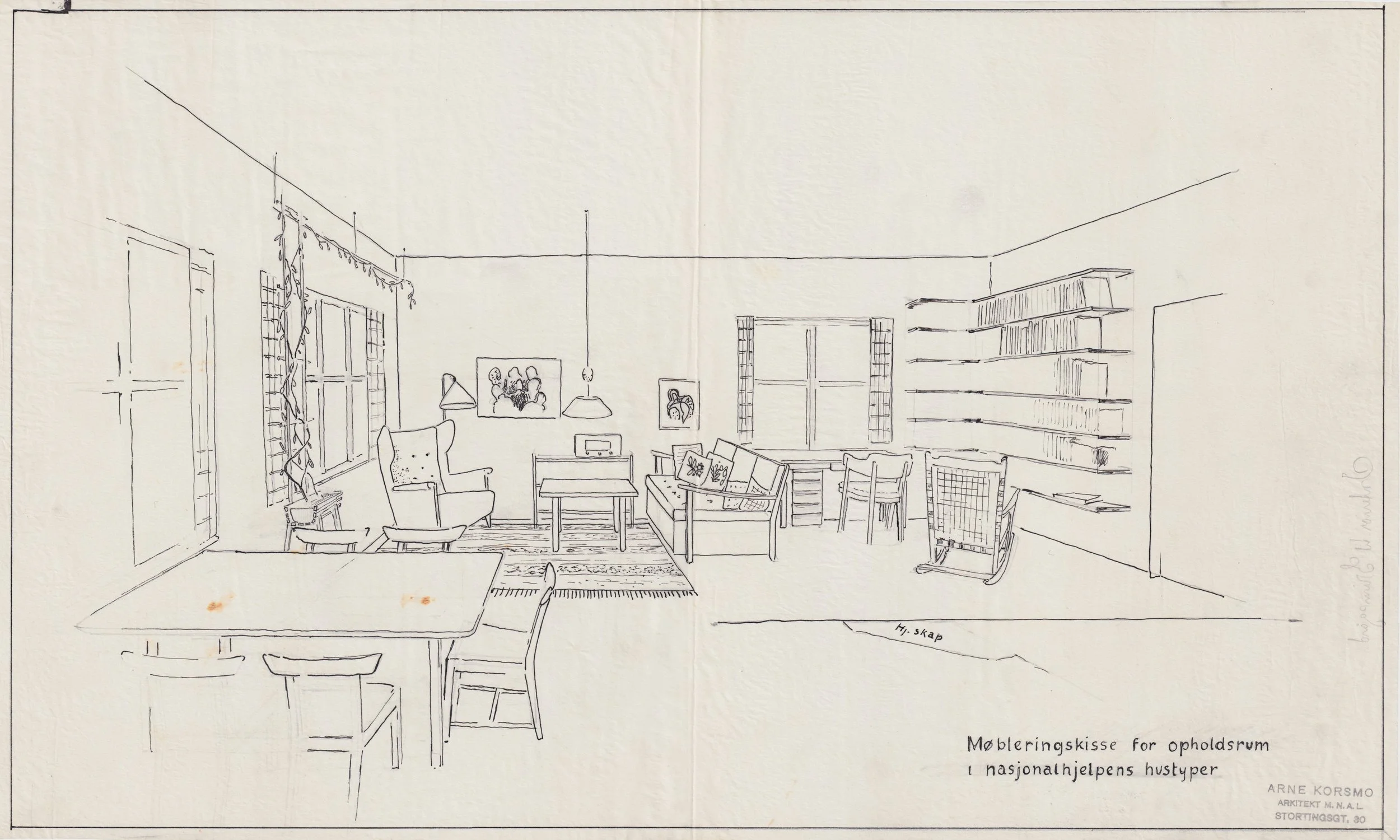
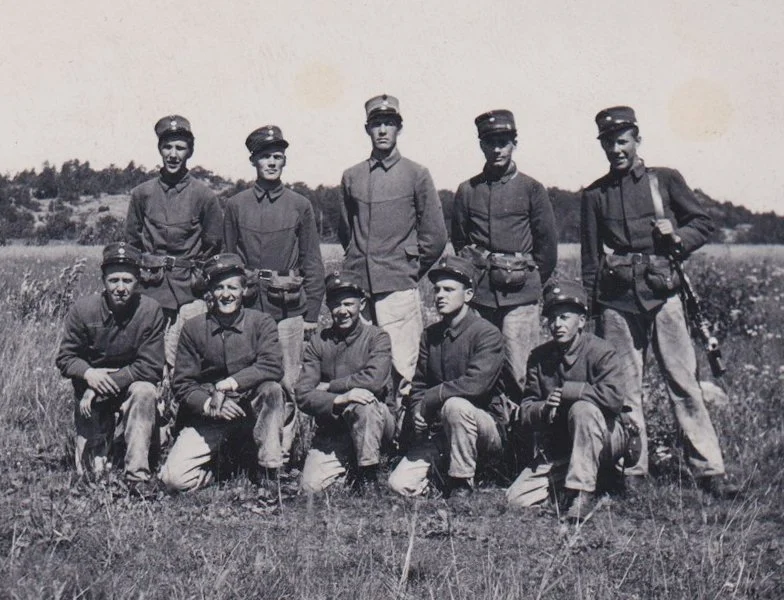
Sture returns to Norway on 26 July, after it was negotiated that Norwegian soldiers could return home without being arrested. In August he gets a job as a drafting assistant for architect Arne Korsmo, where he works mostly on the interiors of his projects. Shortly after, he applies for a job at the furniture joinery firm Hiorth & Østlyngen and is hired as a carpentry apprentice.
1036
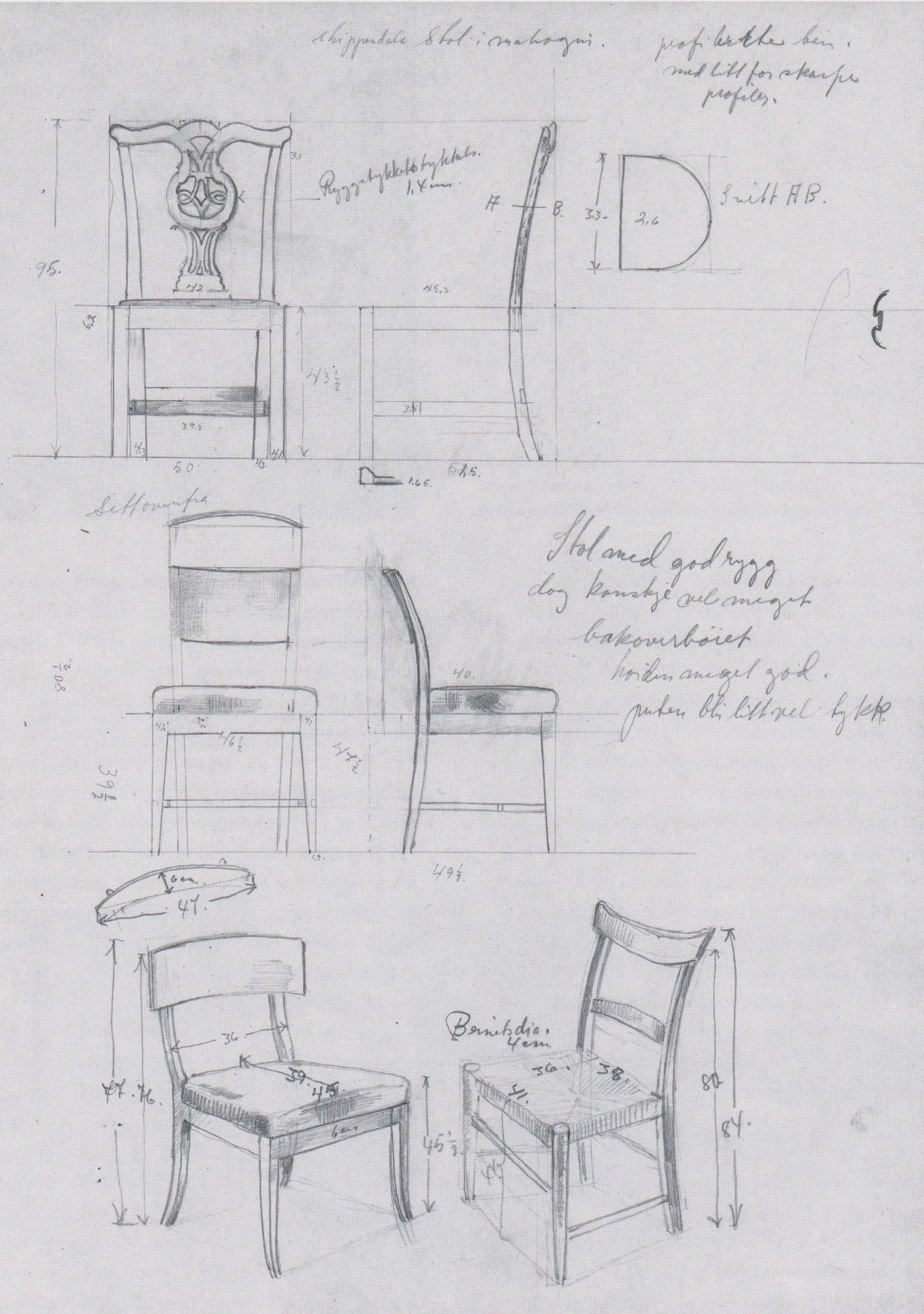
In 1940/41, shortly after joining H&Ø, Alf Sture designed the chair 1036, which contributed to the shift from traditional craft-based furniture toward introducing more rational steps into the production processes. It was also considered a modern chair in terms of how one sat in and used the piece — the ergonomic principles it was built on allowed for a more relaxed, reclined seating position than had previously been the norm. The chair's material, construction, and form all helped move away from functionalism's strict expression toward a softer, more organic design that characterizes the Scandinavian design period. This may be part of the reason why the chair is still sought after and remains in production at Tonning & Stryn today.